Commercial Pest Control
Property Manager's Guide to Turnover Pest Prevention
Published 2026-11-02 · Joliet Pest Control Service
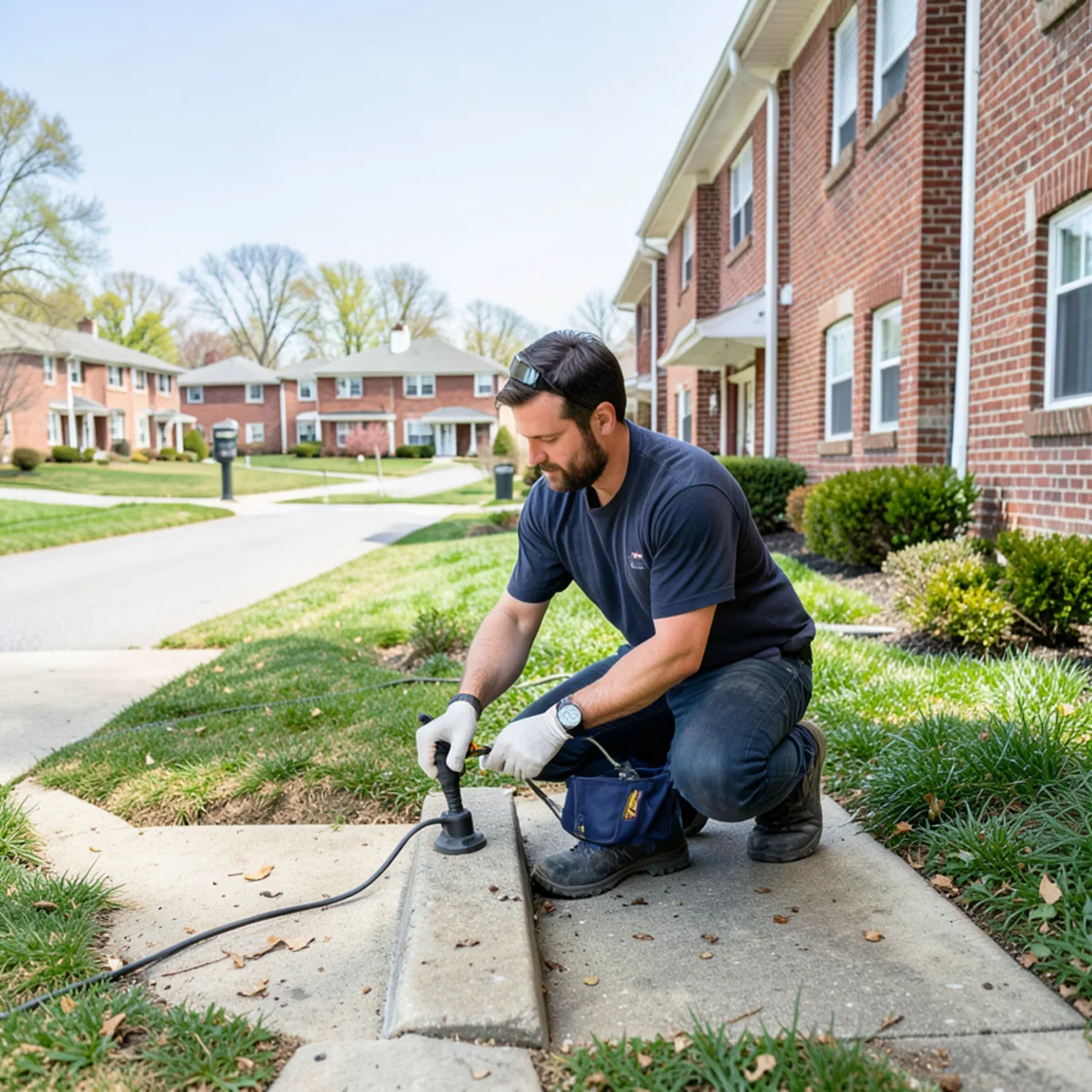
Unit turnover is the best moment for pest prevention, because an empty unit can be inspected and treated for roaches and bed bugs before the next tenant moves in — catching problems that are far harder to address once occupied. A simple standard process turns turnover into your main line of defense.
Need help now? Free inspection, written quote.
Call (209) 563-1650Why turnover is the moment
An empty unit gives full access with nothing to work around, so inspection and treatment are thorough and disruption-free. Catching roaches or bed bugs at turnover prevents them spreading to adjoining units and spares you the far harder, more expensive job of treating around a tenant’s belongings later.
It also protects the incoming tenant and the property’s reputation — nobody wants to move into a unit with a hidden infestation.
A simple turnover process
A repeatable process keeps it consistent across a portfolio:
- Inspect at move-out, before cleaning and painting cover the signs.
- Treat as needed — roaches, bed bugs, rodents — while the unit is empty.
- Document per unit, so you have a record of what was found and done.
- Seal entry points between units to slow pest movement through the building.
Why one unit is never the whole story
In multifamily buildings, roaches and bed bugs move between units through shared walls, pipe chases and outlets. Treating a turnover unit in isolation while a neighboring unit is infested invites re-infestation, so turnover work is most effective paired with a scheduled building-wide program that keeps a single infested unit from becoming a building problem.
With area renter shares from 27% in Joliet up to 43% in Morris, turnovers are frequent enough that a standard process genuinely pays off.
Who is responsible for pests in a rental?
Responsibility depends on the lease and situation; landlords generally must maintain habitable conditions. A scheduled program with per-unit records protects the property manager by documenting diligence, and it protects tenants by catching problems early. Check your specific leases and local ordinance for the controlling terms.
The takeaway
Inspect and treat at turnover, document per unit, and back it with a building-wide program. Call (209) 563-1650 for property-management pest control.