
Rodent Control
Proven Techniques for Rodent-Proofing Your Home
Published 2026-11-02 · Joliet Pest Control Service
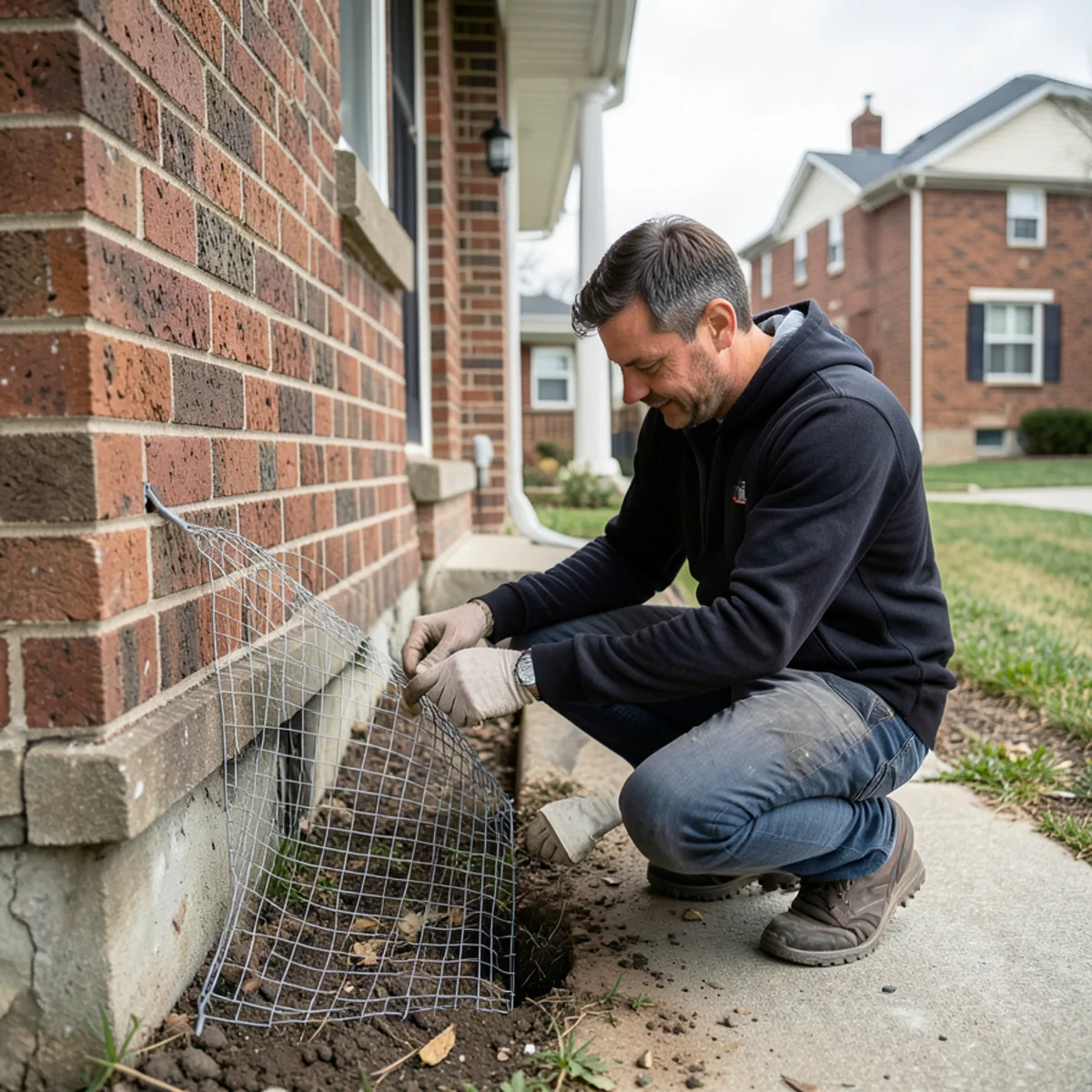
Rodent-proofing your home works when you seal the right gaps with materials rodents cannot chew — steel wool and copper mesh, hardware cloth, sheet metal and mortar, backed by caulk. The failure mode is using foam or caulk alone, which mice gnaw straight through. Here is the proven checklist and the spots homeowners miss.
Need help now? Free inspection, written quote.
Call (209) 563-1650Use materials rodents cannot chew
Match the material to the gap:
- Small gaps and cracks: pack with steel wool or copper mesh, then seal over it.
- Larger holes and vents: cover with 1/4-inch hardware cloth or sheet metal.
- Masonry gaps: fill with mortar or concrete patch.
- Door and garage gaps: install rodent-resistant door sweeps and thresholds.
The gaps most homeowners miss
The obvious holes get sealed; the hidden ones let rodents keep coming. Check where utility lines, pipes and cables enter the home, the gap under the garage door, weep holes and vents, the junction where the foundation meets the siding, and the roofline where the soffit meets the wall. Dryer and exhaust vents need screened covers that still allow airflow.
Reduce the reasons to come in
Sealing works best alongside removing the draw: store pet food and birdseed in hard containers, keep firewood and clutter away from the foundation, and trim vegetation back from the walls. A home with fewer attractions and no open gaps is one rodents pass by.
On older Will County homes, the number of gaps can make a full assessment worthwhile, since missing one entry point undoes the rest.
The takeaway
Seal with steel and hardware cloth, not foam alone, and hit the hidden utility and roofline gaps. For an older home with many entry points, call (209) 563-1650 for an assessment.